
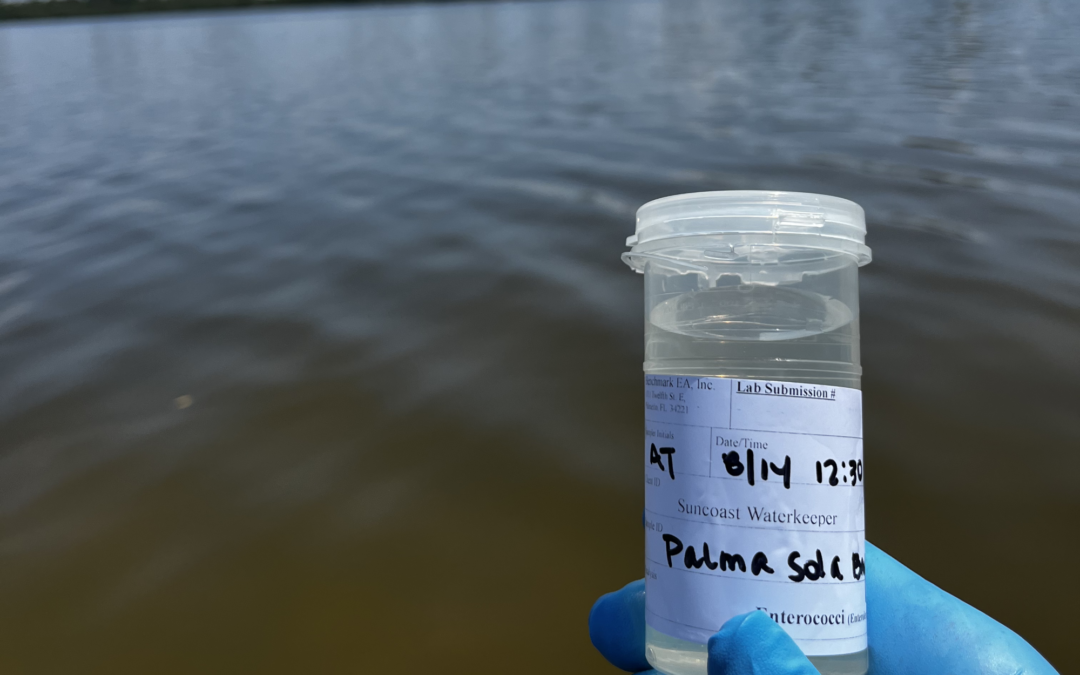
Water recreators and residents on Palma Sola Bay have clashed over the years. Waterfront residents have raised concerns with Bradenton Mayor about everything from unsafe jet ski rental operations to horse excrement and seagrass loss. Fishermen and anglers have documented declining fish populations and, at one point, dead baitfish in their boat wells. But one question has remained particularly important for people who enter the water: Is Palma Sola Bay safe for swimming?
Since 2022, we have monitored fecal indicator bacteria called enterococci on the northeast side of the Palma Sola Bay causeway where people swim, to help answer this question. Our program was modeled after the Florida Department of Health (FDOH) Healthy Beaches Program. FDOH once monitored the north side of the causeway and, according to Water Atlas data, stopped after 2011. Since we began sampling there, our results show that this part of Palma Sola Bay consistently fails to meet state standards for enterococci.
In fact, the site received the lowest score of all monitored areas across the Suncoast on our annual safe-to-swim report card. In 2024 and 2025, it received an F, with only 45% and 40% of swimmable weeks, respectively. During the same period, FDOH monitored water quality weekly on the southern side of the causeway. Based on the agency’s results, 78% of monitored weeks were swimmable in 2025. Our data on the northeast side of the causeway, coupled with FDOH data on the south side of the causeway, provided enough evidence for the Florida Department of Environmental Protection (FDEP) to recommend adding Palma Sola Bay to the 2026 Verified List of Impaired Waters based on bacteria levels.
But a striking discrepancy remains in how the data are being applied: the beach area north of the causeway, which Suncoast Waterkeeper has monitored for the past five years and where our data have helped identify potential sources of bacterial pollution, will not be designated as impaired.
Why? The data collected by Suncoast Waterkeeper in the north-side swimming area cannot be used to determine impairment for that one-mile stretch of coastline. For that determination, only FDOH data can be used, and FDOH currently has “insufficient data” because the agency just started monitoring it again in January. Yet our data from this same area can be, and have been, used to help determine impairment of the much larger Palma Sola Bay waterbody. The result is a regulatory boundary that does not reflect the reality of the water or the people using it.
What’s more, when FDOH resumed monitoring in January, it returned to the northwest side of the causeway by the fishing pier and pavilions. This area is not known for swimming because a seawall blocks access to the water. As a result, members of the Palma Sola Scenic Highway Byway Organization, which has been monitoring the increased activity on the causeway, have questioned why FDOH is testing off the fishing pier instead of at the beach area, where the public swims.
A comparison of Suncoast Waterkeeper’s data on the north side of the causeway and FDOH’s northside data for July and August shows that the fishing pier location exceeded the Healthy Beaches standard twice, and the swimming area exceeded the standard six times.
Regardless of these virtual boundaries, if Palma Sola Bay is formally designated as impaired for bacteria, that designation will trigger the next steps in the state and federal water quality process. From November 2026 through April 2027, FDEP is expected to submit its final assessment lists to the U.S. Environmental Protection Agency (EPA) for approval. EPA’s review can take months or, in some cases, years. Once FDEP receives approval, it must develop a Total Maximum Daily Load (TMDL), which establishes the pollutant reductions needed to restore the waterbody. Historically, TMDL development in Florida has taken approximately two to three years.
An impairment designation would therefore mark not the end, but the beginning of a potentially years-long process to identify sources of enterococci, establish the reductions necessary to address them, and ultimately require action to restore Palma Sola Bay. After years of concerns raised by residents, anglers, water recreators, and advocates, formal impairment could finally provide a clear pathway to identify pollution problems and require solutions.
But the regulatory process cannot become an excuse to overlook the people swimming on the northeast side of the causeway. Regardless of where the state draws its administrative lines, bacteria do not recognize virtual boundaries. Our commitment remains the same: continue monitoring, identify pollution sources, and ensure that the water quality conditions experienced by swimmers on the northeast side of the Palma Sola Causeway are not ignored.
——————–
Abbey is the Executive Director and Waterkeeper for Suncoast Waterkeeper and has been working on water-related issues on the Suncoast for 11 years. Pia Ronquillo-See is the Water Quality & Pollution Specialist (North Region) for Suncoast Waterkeeper and cares deeply about connecting people to their local, natural environments. This column is part of EcoBeat, a monthly series produced by the Science and Environment Council to bring leading Gulf Coast environmental voices directly to the public. Learn more at scienceandenvironment.org/ecobeat.
COVER PHOTO INFORMATION:
Photo Credit: Suncoast Waterkeeper
Caption: Palma Sola Bay
 Susan Glickman
 Bill Johnson
 Lee Hayes Byron
 Duanne Andrade
 Amber Whittle
 Sarah Dearman
 Donn Githens
 Mike Kelcourse
 Emily Grant
 Zack Rasmussen
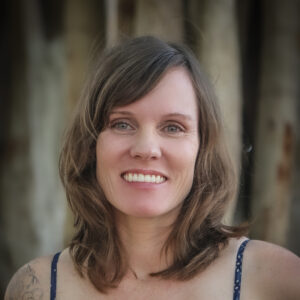 Abbey Tyrna, PhD
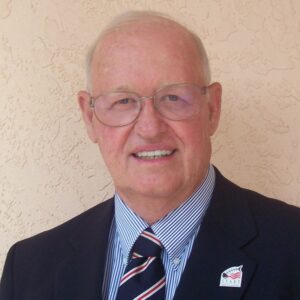 Sandy Gilbert
 Bob Bunting
 Erica Gies
 Maya Burke
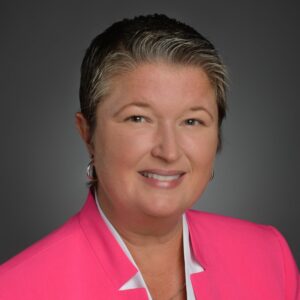 Amanda Boone, PE
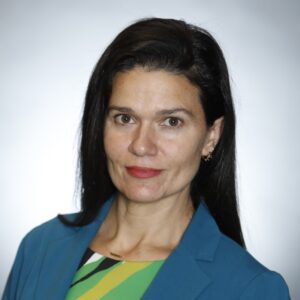 Jaclyn Lopez, JD
 Joe Bonasia
 Rabbi Ed Rosenthal
 John McCarthy
 Ronda Ryan
 Howard Hochhalter
 Kylie Wilson
 Nate Brennan, PhD
 Damon Moore
 Katie McHugh, PhD
 Craig Pittman
 Ed Sherwood
 Dave Tomasko, PhD
 Jennifer Hecker
 Randy Wells, PhD
 Carl Hiaasen
 Jono Miller
 Emily Hall, PhD
 Mark Hostetler, PhD
 John Keifer, PhD
 Jeanne Dubi
 Aedan Stockdale
 Hillary Van Dyke
 Uzi Baram, PhD
 Tony Clements
 Aliki Moncrief, JD
 Christine Johnson, MBA
 Charlie Hunsicker
 Jim Strickland
 Jennifer Rominiecki
 Bill Waddill
 Timothee Sallin
 Paul Owens
 Van Linkous, PhD
 Steve Cover
 Juliette Desfeux
 Jon Thaxton
 Damon Gameau
Recent Comments