
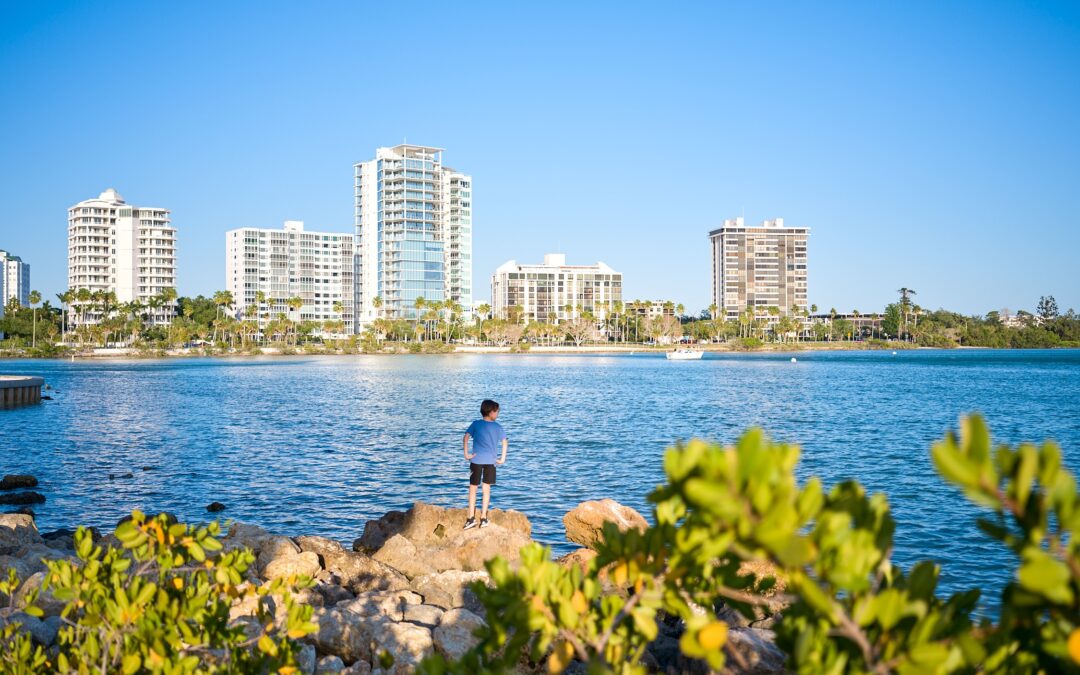
My family has called Florida home for six generations. When I am out on the water or walking with my family through the wetlands and uplands that remain in Sarasota and Manatee Counties, I often find myself recalling how my ancestors saw these same waters and wetlands generations ago. They focused on progress and infrastructure that facilitated development, often at the cost of natural resources.
Between 1950 and 1990, Sarasota Bay lost more than 1,800 acres of wetland habitat, approximately 38 percent of its wetlands, largely due to dredge-and-fill activities associated with coastal development, and we’ve continued to document reductions in natural areas since then. These habitats are the nurseries that support the fish and wildlife that make Sarasota Bay special. They sustain the food web that connects our ‘coastal corridor’ of ecosystems, our fisheries, and the wildlife that draws people to these waters.
Habitats need breathing room. Unlike roads, buildings, and seawalls, natural shorelines are not static. They are living systems that are shaped by tides, storms, and rising water. Their ability to adapt and expand is jeopardized when development surrounds them on one side and rising waters push from the other. Scientists call this process “coastal squeeze.” The result is a slow but steady loss of some of the most valuable natural infrastructure our community possesses.
The clean waters, wildlife, and coastlines that define Sarasota Bay are not accidental. They are supported by a network of natural habitats that have evolved over generations. Wetlands, mangrove forests, and natural shorelines are frequently viewed as obstacles to progress rather than assets that provide substantial economic benefits. Yet these systems work every day to filter pollutants from stormwater, improve water quality, reduce shoreline erosion, store floodwaters, support fisheries, and buffer our communities from storms.
When we remove or fill wetlands, trim mangroves into hedges, straighten creeks, or replace natural landscapes with hardened shorelines and pavement that are too close to the shoreline, we are making a conscious decision to replace natural services with engineered ones. The need for water filtration, flood protection, shoreline stabilization, and storm resilience does not disappear. Instead, those responsibilities shift to taxpayers to fix the degradation.
The remaining natural resources around Sarasota Bay are becoming increasingly fragmented and constrained by development in addition to facing growing pressures from population growth, stronger storms, aging infrastructure, and increased coastal water levels. They are, in many ways, hanging on by a thread. Continued losses may seem insignificant when viewed one project at a time, but the cumulative effects can eventually leave communities with fewer natural defenses and larger bills to pay to restore the quality of water we have come to value.
The Sarasota Bay we know today was shaped by the decisions of those who came before us, and the bay that future generations experience will be shaped by the choices we make today. The choice before us is not between economic growth and environmental protection. Sarasota Bay’s economy depends on clean water, healthy habitats, and the quality of life they support.
Protecting wetlands and mangroves is ultimately an investment in our community’s future, one that can reduce costs to the public and improve coastal resilience. If these natural systems are valued by our community, adequately protected, and recognized as essential components of our region’s future, they can continue to support progress, prosperity, and our way of life so that future generations can enjoy the benefits of a healthy and vibrant Sarasota Bay for centuries to come.
——————–
Dr. Ryan Gandy is the Executive Director of the Sarasota Bay Estuary Program, an organization dedicated to restoring and protecting the ecological health of Sarasota Bay and its surrounding watershed. This column is part of EcoBeat, a monthly series produced by the Science and Environment Council to bring leading Gulf Coast environmental voices directly to the public. Learn more at scienceandenvironment.org/ecobeat.
COVER PHOTO INFORMATION
Photo Credit: Sarasota Bay Estuary Program
Caption: Sarasota Bayfront
 Susan Glickman
 Bill Johnson
 Lee Hayes Byron
 Duanne Andrade
 Amber Whittle
 Sarah Dearman
 Donn Githens
 Mike Kelcourse
 Emily Grant
 Zack Rasmussen
 Abbey Tyrna, PhD
 Sandy Gilbert
 Bob Bunting
 Erica Gies
 Maya Burke
 Amanda Boone, PE
 Jaclyn Lopez, JD
 Joe Bonasia
 Rabbi Ed Rosenthal
 John McCarthy
 Ronda Ryan
 Howard Hochhalter
 Kylie Wilson
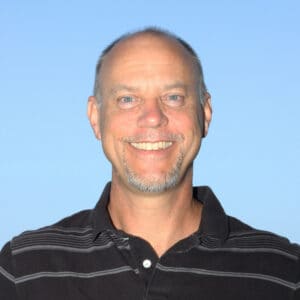 Nate Brennan, PhD
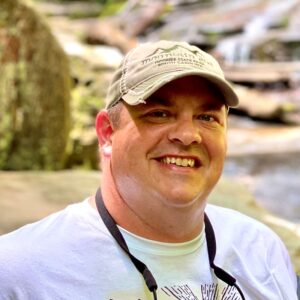 Damon Moore
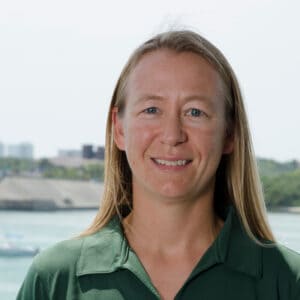 Katie McHugh, PhD
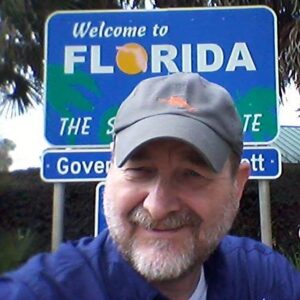 Craig Pittman
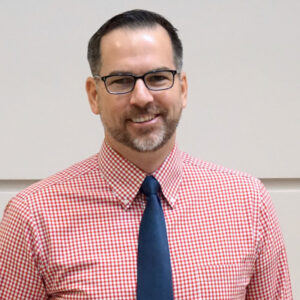 Ed Sherwood
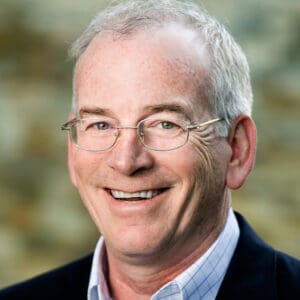 Dave Tomasko, PhD
 Jennifer Hecker
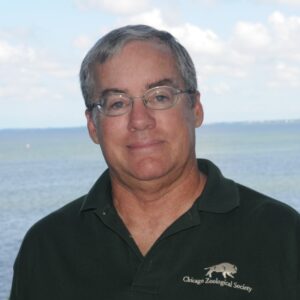 Randy Wells, PhD
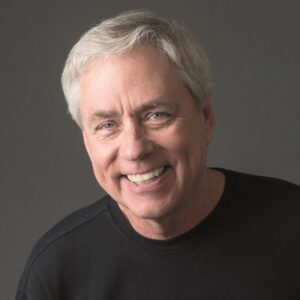 Carl Hiaasen
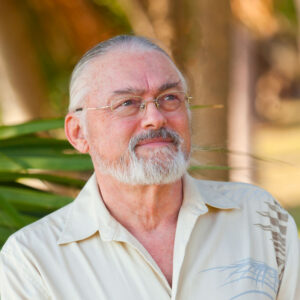 Jono Miller
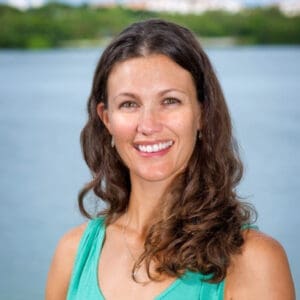 Emily Hall, PhD
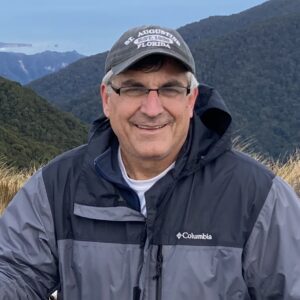 Mark Hostetler, PhD
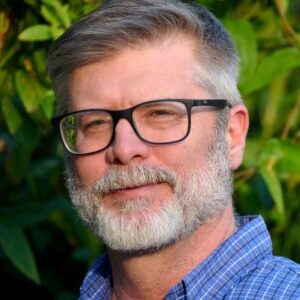 John Keifer, PhD
 Jeanne Dubi
 Aedan Stockdale
 Hillary Van Dyke
 Uzi Baram, PhD
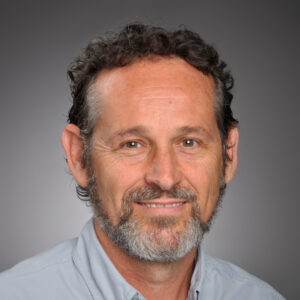 Tony Clements
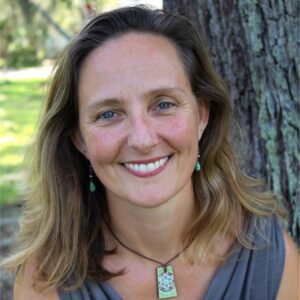 Aliki Moncrief, JD
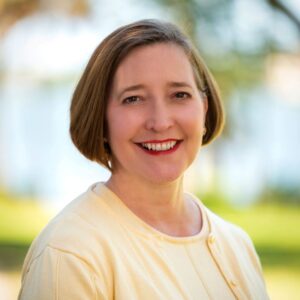 Christine Johnson, MBA
 Charlie Hunsicker
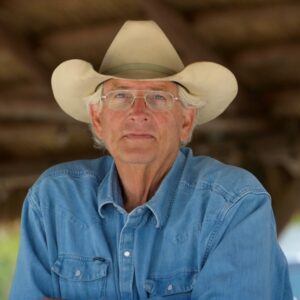 Jim Strickland
 Jennifer Rominiecki
 Bill Waddill
 Timothee Sallin
 Paul Owens
 Van Linkous, PhD
 Steve Cover
 Juliette Desfeux
 Jon Thaxton
 Damon Gameau
Recent Comments